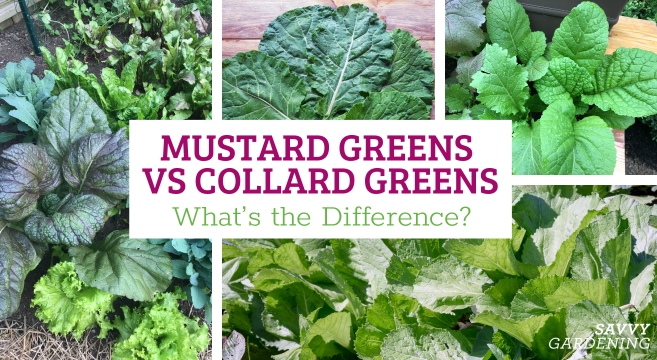
Collard vs. Mustard Greens: Expert Tips for Tender Holiday Sides
As the holiday season approaches, the aroma of a festive meal fills kitchens, and for many, especially in the Southern United States, that scent isn't complete without a bubbling pot of greens. While classics like mashed potatoes and green bean casserole often take center stage, a perfectly cooked batch of collard or mustard greens offers a soulful, flavorful counterpoint that truly elevates the spread. But which to choose? And more importantly, how do you achieve that melt-in-your-mouth tenderness and depth of flavor? We’re diving deep into the art of cooking these leafy staples, drawing on insights from culinary experts to help you prepare
the best collard greens and their zesty cousin, mustard greens, for your holiday table.
The Soulful Staple: Mastering the Best Collard Greens
Collard greens are more than just a side dish; they’re a tradition, a taste of heritage passed down through generations. Known for their robust leaves and subtly bitter, earthy flavor, they transform into a wonderfully tender and deeply savory dish when cooked low and slow. Achieving
the best collard greens requires attention to detail, from the initial aromatic base to the final flourish of acidity.
Chef Dawn Burrell, a
Top Chef finalist, emphasizes the critical role of building flavor from the ground up. She begins by infusing her cooking base with aromatics like garlic and onion, sautéing them until they release their natural sweetness. This foundational step ensures a rich backbone for the greens. After adding the greens and allowing them to wilt slightly, Burrell introduces a non-negotiable step: deglazing the pan with a rich stock. This creates an "intense pot liquor," that flavorful broth that is as prized as the greens themselves. The greens then simmer to tender perfection in this flavorful liquid and stock mixture.
But the journey to perfect collards doesn't end there. Burrell insists on a final, essential touch: a generous splash of apple cider or brown cane vinegar. This burst of acidity is crucial; it brightens the dish, cuts through the richness, and truly elevates the complex flavors of the greens.
For truly exceptional collard greens, remember these tips:
*
Choose Fresh: Look for firm, vibrant green leaves without yellowing or blemishes.
*
Clean Thoroughly: Collards can harbor grit. Wash them multiple times under cold water, swishing well, or soak them briefly to dislodge any dirt.
*
Prep Smart: Remove the tough central stems before chopping the leaves into desired pieces.
*
Embrace the Slow Simmer: Patience is key. Collards benefit from a lengthy cooking time to achieve their signature tenderness.
For a deeper dive into perfecting that incredible broth, explore
Unlock Flavor: Chef Tricks for Perfect Collard Greens & Pot Liquor.
A Zesty Challenger: Embracing Mustard Greens
While collard greens hold a cherished place, their sharper, more pungent cousin, mustard greens, offers an exciting alternative for those seeking a bolder, peppery kick. Chef Chris Williams of Lucille’s and Late August, who even grows his own mustard greens in Kendleton, Texas, is a self-proclaimed "fixation" of this vibrant green. He notes their "really pungent, vegetal greenness" that stands up beautifully to the cooking process, and a significant advantage: they cook in roughly a third of the time collard greens require.
Like Burrell, Williams understands the importance of a seasoned cooking liquid. His approach involves boiling the flavoring ingredients – yellow onions, tomatoes, jalapeños, bell peppers, and plenty of garlic – for at least 20 minutes *before* adding the greens. This allows the aromatics to deeply infuse the liquid, creating a robust base that penetrates the greens as they cook.
A unique trick Williams employs to maintain the greens' bright color while tenderizing them and reducing cook time is adding a dash of baking soda to the pot. This simple addition helps break down the leaves faster while preserving their vibrant hue, making mustard greens a fantastic option when time is a factor.
Mustard greens, with their distinct peppery bite, pair wonderfully with rich meats like ham hocks or smoked turkey. They also offer a refreshing contrast in a meal with heavier, creamier dishes. Don't be afraid to experiment with them – their robust flavor can stand up to bold spices and ingredients.
Collard vs. Mustard: A Side-by-Side Culinary Showdown
When it comes to choosing between collard and mustard greens for your holiday spread, understanding their individual characteristics can help you make the perfect choice for your palate and menu.
*
Flavor Profile: Collards boast a deep, earthy, and slightly bitter taste that mellows beautifully with long cooking, often developing a smoky undertone from ham hocks or turkey. Mustard greens, on the other hand, are distinctly peppery, pungent, and slightly spicy, offering a more immediate burst of flavor.
*
Cooking Time: This is a major differentiator. Collards require significant "low and slow" simmering, often for an hour or more, to achieve optimal tenderness. Mustard greens cook much faster, typically in 20-30 minutes, making them a good choice if you're short on time.
*
Texture: Once cooked, collards are hearty and incredibly tender, almost melting in your mouth. Mustard greens, while tender, retain a bit more of their initial structure and a slightly firmer bite, standing up well to their pungent flavor.
*
Preparation Nuances: Collard greens almost always benefit from a finishing touch of vinegar to brighten their deep flavors. For mustard greens, baking soda can be used to speed tenderization and preserve color.
*
Best Uses: If you seek a classic, comforting, deeply savory Southern staple that evokes tradition, go for collards. If you desire a vibrant, peppery, and slightly spicy kick that adds a lively contrast to your meal, mustard greens are your best bet.
Ultimately, the choice often comes down to personal preference or how you want to balance the overall flavors of your holiday feast. You might even consider offering both, allowing guests to experience the delightful contrast! To discover more expert-level culinary secrets, be sure to check out
Houston Chefs' Secrets: Best Collard Greens for Your Table.
Essential Chef Secrets for Truly Tender Greens (Applies to Both!)
Regardless of whether you choose collard or mustard greens, certain fundamental principles apply to achieving perfectly tender, flavorful results. These expert tips, gleaned from seasoned chefs, will elevate your greens from good to truly unforgettable.
1.
Build a Robust Aromatic Foundation: Don't underestimate the power of starting with garlic and onions. Sautéing them until sweet and fragrant lays the groundwork for a deeply flavorful dish. Consider adding other aromatics like bell peppers or jalapeños, as Chef Williams does, to add layers of complexity.
2.
Season Your Liquid Generously: This is paramount. Whether you're using water, stock, or a combination, ensure it's well-seasoned with salt, smoked meats (like turkey necks or ham hocks), and your chosen aromatics. Boiling these ingredients together for at least 20 minutes *before* adding the greens ensures the liquid itself is bursting with flavor, which then infuses into every leaf.
3.
Acidity is a Game Changer: For collards, a finishing splash of apple cider vinegar, brown cane vinegar, or a squeeze of fresh lemon juice is non-negotiable. It brightens the dish and balances the richness. For collards, lemon can also aid in breaking down tough leaves.
4.
Thorough Washing and Proper Chopping: Greens, especially collards, can be sandy. Wash them multiple times until the water runs clear. Remove tough stems, then chop the leaves into manageable, bite-sized pieces.
5.
Patience for Collards: If you're cooking collard greens, resist the urge to rush. The "low and slow" method is crucial for breaking down their fibrous texture and developing their deep flavor.
6.
Treasure the Pot Liquor: The flavorful broth left after cooking your greens is often considered a delicacy. Serve it alongside the greens, perfect for sopping up with cornbread.
For a hearty base that can elevate any batch of greens, consider incorporating elements like those suggested by Chef Williams for an 8-10 serving batch: a generous amount of fresh collard or mustard greens (about 20 bunches), a mix of Roma tomatoes, a large yellow onion, 10 cloves of garlic, a jalapeño, red and green bell peppers, and a smoked turkey neck, all boiled in 2 gallons of water with kosher salt before the greens are added. This ensures maximum flavor penetration.
Conclusion
Whether you opt for the comforting, deep flavors of
the best collard greens or the vibrant, peppery zest of mustard greens, mastering these holiday staples promises a truly memorable culinary experience. By understanding the unique characteristics of each green and applying expert tips from culinary leaders like Dawn Burrell and Chris Williams, you can transform these humble leaves into tender, flavorful sides that embody tradition, warmth, and exceptional taste. So this holiday season, embrace the greens, experiment with these techniques, and delight your guests with sides that are anything but ordinary.