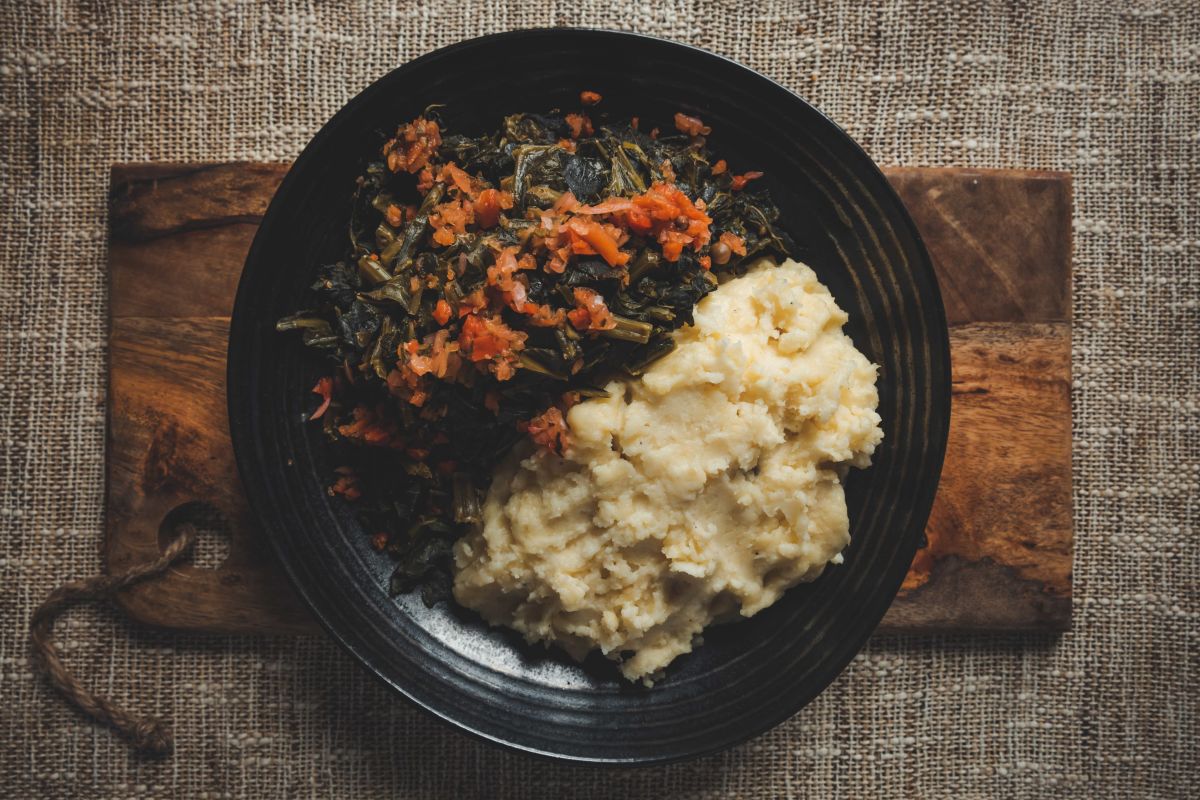
Unveiling Houston Chefs' Secrets for the Best Collard Greens
In the heart of Texas, where culinary traditions run deep and flavors tell a story, collard greens stand as a cherished staple. More than just a side dish, they represent comfort, heritage, and the soulful essence of Southern cooking. Especially during festive seasons like Thanksgiving, a steaming pot of tender, perfectly seasoned collard greens is non-negotiable for many. But what truly elevates a good batch to *the best collard greens*? We turned to two of Houston's most celebrated culinary talents, Top Chef finalist Dawn Burrell and Chef Chris Williams of Lucille's and Late August, to unearth their expert techniques and time-honored wisdom. Their insights reveal that achieving exceptional collard greens is less about a single secret ingredient and more about a methodical, flavor-first approach. From building a robust aromatic base to mastering the art of the "pot liquor," these chefs share invaluable lessons that will transform your collard greens from good to truly legendary.Chef Dawn Burrell's Flavor-Infusion Masterclass
For Chef Dawn Burrell, the journey to the best collard greens begins with laying a foundational layer of intense flavor. Her method emphasizes a slow, deliberate build-up of aromatics and liquids, ensuring every leaf is imbued with richness.The Aromatic Foundation
Burrell insists on starting with generous amounts of garlic and onion. Her secret isn't just adding them, but meticulously sautéing them until they caramelize and release their inherent sweetness. This crucial step creates a complex, savory base that will underpin the entire dish, preventing the greens from tasting one-dimensional or overly bitter.
The Non-Negotiable Stock & Pot Liquor
Once the aromatics are perfectly golden, the fresh collard greens are added, allowed to wilt slightly, and then the magic happens: deglazing. Burrell passionately advocates for deglazing the pan with a rich stock – a step she describes as "non-negotiable." This stock, combined with the natural liquids released by the greens, forms what Southerners lovingly call "pot liquor." This flavorful broth is not merely cooking liquid; it's a deeply concentrated elixir of taste that you'll want to savor. Allowing the greens to finish cooking in this intense stock mix ensures they absorb every ounce of flavor, becoming tender and succulent. To dive deeper into perfecting this savory broth, explore Unlock Flavor: Chef Tricks for Perfect Collard Greens & Pot Liquor.
The Essential Acidic Finish
Perhaps Burrell's most emphatic instruction is the final touch: a dash of apple cider vinegar or brown cane vinegar. "You must finish all your collard greens with vinegar," she declares. This isn't just for a tangy kick; the acidity balances the richness, brightens the earthy notes of the greens, and provides a much-needed counterpoint that truly brings the dish to life. It’s the subtle tartness that rounds out the flavor profile and makes you crave more.
Chef Chris Williams: Sustainable Greens and Speedy Tenderizing
Chef Chris Williams, known for his commitment to sustainable practices through Lucille's 1913 collective, brings a fresh perspective to traditional Southern greens, often utilizing mustard greens from his own garden. While his techniques translate beautifully to collards, his focus is on maximizing flavor in the cooking liquid and innovative tenderizing methods.Seasoning the Liquid First
Williams' philosophy centers on creating a deeply seasoned liquid *before* the greens even enter the pot. He starts by boiling his flavoring ingredients – often including yellow onions, tomatoes, jalapeños, bell peppers, and plenty of garlic – for at least 20 minutes. This allows the aromatics to fully infuse the water, transforming it into a rich, savory broth that will permeate the greens as they cook. It’s a foundational step that ensures every bite is bursting with flavor, not just on the surface.
The Power of Smoked Meats
Integral to Williams' approach, and a hallmark of many Southern greens recipes, is the use of smoked meat. His recipe calls for a smoked turkey neck, boiled for 20 minutes in the initial water to deeply season it. This adds an unparalleled depth of smoky, savory goodness that is crucial for creating the best collard greens. Other options can include ham hocks, smoked pork neck bones, or even bacon.
The Baking Soda & Lemon Trick: Tenderizing with Precision
To address the common challenge of tough greens, Williams employs a clever trick: a dash of baking soda. For collard greens, adding baking soda to the pot helps maintain their vibrant green color while significantly tenderizing the leaves and reducing cooking time. The alkalinity of the baking soda helps to break down the pectin in the greens, making them softer. For an added boost of tenderization and a hint of acidity, a squeeze of fresh lemon juice can also be used, further aiding in breaking down the leaves faster. This ingenious combination ensures your greens are not only flavorful but also perfectly tender without an excessively long simmer.
Williams also highlights the versatility of mustard greens, noting their pungent, vegetal greenness that stands up well to long cooking processes, yet cooks in a third of the time compared to collards. For more detailed comparisons and expert tips on preparing these leafy cousins, check out Collard vs. Mustard Greens: Expert Tips for Tender Holiday Sides.
Crafting Your Own Best Collard Greens: Practical Tips for Home Cooks
Inspired by these Houston chefs, here are additional practical tips to help you achieve the best collard greens right in your own kitchen:- Selecting Your Greens: Look for fresh, vibrant green leaves without any yellowing or wilting. Thicker stems often indicate a more mature, potentially tougher leaf, so consider trimming or cooking longer.
- Thorough Cleaning is Key: Collard greens can be gritty! Wash them thoroughly under cold running water, leaf by leaf, to remove all dirt and sand. A good soak in a basin of water, followed by a rinse, is often recommended.
- Chopping for Consistency: Remove the tough central stem from each leaf before stacking and rolling them like a cigar. Slice into uniform strips (about 1/2 to 1 inch wide) for even cooking.
- Patience is a Virtue: While Williams' tricks can speed things up, collard greens still benefit from a low and slow simmer. Allow them to cook until they are fork-tender, not just soft. This can take anywhere from 1 to 3 hours, depending on the greens and your preferred texture.
- Taste and Adjust: Seasoning is personal. Taste your pot liquor throughout the cooking process. Adjust salt, add a pinch of sugar to balance bitterness, or a little more vinegar for brightness. The goal is a harmonious blend of smoky, savory, and slightly tangy flavors.
The Recipe in Essence: A Chef-Inspired Blueprint
Drawing from Chef Chris Williams' quantities, here's an essence of the ingredients you'd combine for a truly magnificent pot of greens for 8-10 servings:- 2 Gallons Water
- 20 Bunches Fresh Collard Greens (Washed & Roughly Chopped)
- 4 Roma Tomatoes
- 1 Large Yellow Onion
- 10 Cloves Garlic
- 1 Jalapeño
- 1 Red Bell Pepper
- 1 Green Bell Pepper
- 1 Smoked Turkey Neck
- 1 1/2 Cups Kosher Salt (Adjust to taste, as turkey neck can be salty)
- 1 Tablespoon Baking Soda
- 1/4 Cup Fresh-Squeezed Lemon Juice
