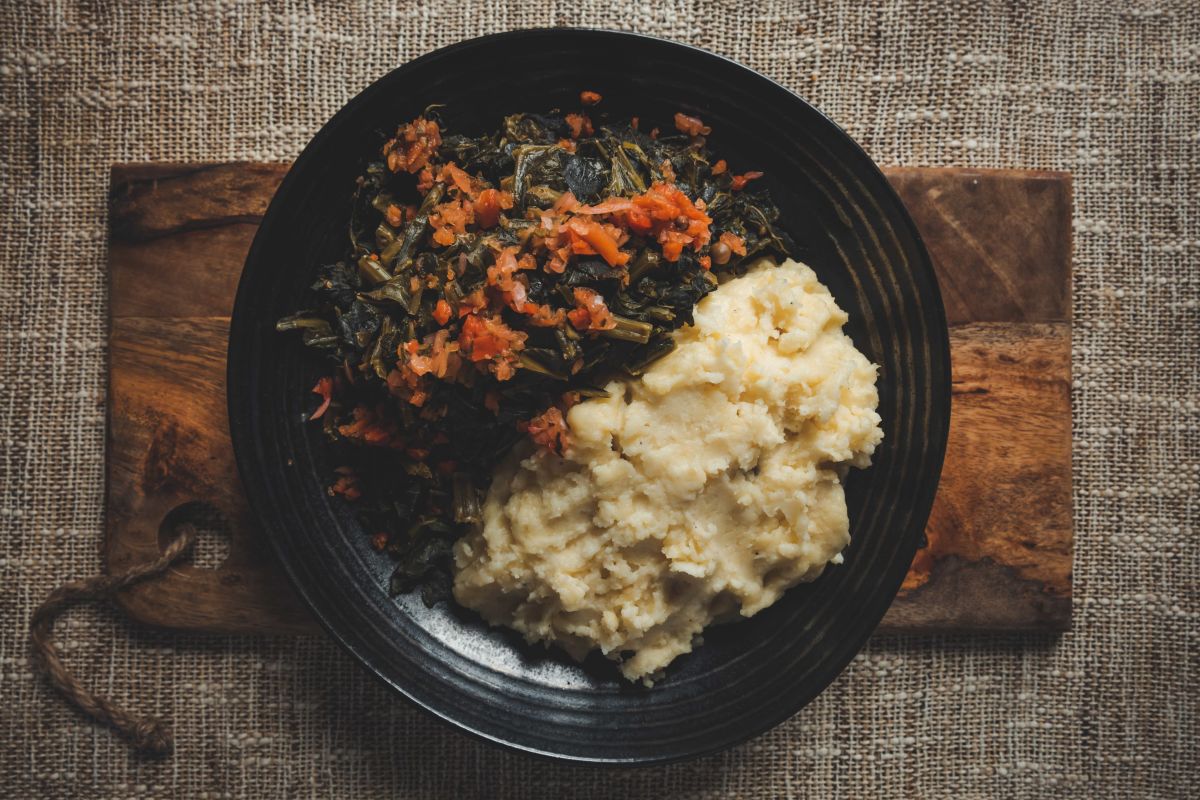
Unlock Flavor: Chef Tricks for Perfect Collard Greens & Pot Liquor
When the holiday season rolls around, or really any time a hearty, comforting side is called for, few dishes evoke the warmth and tradition of Southern cuisine quite like a steaming pot of collard greens. Simmered low and slow until melt-in-your-mouth tender, this leafy staple carries generations of flavor and family history. But even a timeless classic can ascend to new heights with a touch of culinary genius. We're diving deep into the kitchens of celebrated chefs to uncover their secrets for achieving
the best collard greens – a dish so rich in flavor, even the resulting pot liquor becomes a cherished delicacy.
Forget bland, bitter greens. We're talking about a symphony of taste that starts with a robust foundation and finishes with a bright, balanced flourish. Whether you're a seasoned cook or looking to master this Southern essential for the first time, these professional insights will transform your collard greens from good to truly unforgettable.
The Foundation of Flavor: Aromatics and Rich Stock
The journey to truly spectacular collard greens begins long before the greens even hit the pot. Chef Dawn Burrell, a *Top Chef* finalist, emphasizes the critical role of building an intense flavor base right from the start. Her secret? A meticulous approach to aromatics. "I sauté them well to the point where they’re releasing their sweetness," Burrell explains, referring to garlic and onion. This isn't just about softening vegetables; it's about coaxing out their inherent sugars and creating a deeply caramelized, aromatic foundation that will permeate every leaf.
Once these aromatics are perfectly golden and fragrant, the greens are added, allowed to wilt slightly, and then the pan is deglazed with a rich stock. Burrell considers this step "non-negotiable." This isn't just about adding liquid; it’s about infusing the collards with complex, savory notes that plain water simply can't provide. Finishing the cooking process in this potent mix of their own released liquid and quality stock is what, in her words, "makes a really intense pot liquor." For home cooks, this means opting for a high-quality chicken, vegetable, or even smoked ham hock stock, ensuring your
pot liquor is as delicious and sought-after as the greens themselves. Don't skimp on this step; it's the bedrock of a truly flavorful dish.
The Tangy Finish: The Secret Ingredient for Balanced Flavor
While the slow simmering creates tenderness and depth, there’s one final flourish that elevates
the best collard greens to culinary perfection: vinegar. Chef Burrell insists, "You must finish all your collard greens with vinegar." This isn't merely an optional addition; it's a crucial balancing act. A splash of apple cider or brown cane vinegar at the end cuts through the richness of the smoky broth and greens, adding a bright, acidic counterpoint that awakens the palate.
Think of it as the squeeze of lemon on seafood or a dash of hot sauce on eggs – it’s that essential touch that ties all the flavors together, preventing the dish from tasting one-dimensional or heavy. The acidity enhances the savory notes, brightens the overall profile, and can even help to cut through any lingering bitterness sometimes found in greens. This simple, yet powerful,
chef trick is a game-changer for anyone aiming to create truly perfect collard greens. Experiment with different vinegars to find your favorite, but never skip this vital step.
Beyond Collards: Chef Williams' Approach to Seasoned Liquids and Mustard Greens
While collard greens hold a sacred place in Southern cuisine, Chef Chris Williams of Lucille’s and Late August offers an expanded perspective, even highlighting their sharper cousin: mustard greens. Williams, who grows mustard greens in his own garden as part of his sustainable collective Lucille’s 1913, notes their "pungent, vegetal greenness that stands up through the long cooking process." An added bonus? They cook in a third of the time that collard greens require, offering a quicker path to a similar, yet distinct, flavor profile. For more insights on choosing between these leafy powerhouses, explore our article:
Collard vs. Mustard Greens: Expert Tips for Tender Holiday Sides.
Williams shares a philosophy similar to Burrell's regarding flavor building, but with a unique twist: seasoning the cooking liquid *before* adding the greens. He combines water with smoked turkey necks and a vibrant medley of yellow onions, tomatoes, jalapeños, bell peppers, and plenty of garlic. "The most important thing is to let the liquid get seasoned," he emphasizes, advising to boil these aromatic ingredients for at least 20 minutes before the greens are introduced. This method ensures that the broth itself is deeply infused with flavor, creating a robust, savory base that will permeate every crevice of the greens as they tenderize. It's a testament to building layers of flavor, guaranteeing that every spoonful of
Southern collard greens is packed with taste.
Tenderizing Secrets and Maintaining Vibrancy
Achieving that signature tender texture without losing the greens' vibrant color can be a delicate balance. Chef Williams offers a clever hack for this: a dash of baking soda. He recommends adding a small amount to the pot, especially for collard greens. This simple addition works wonders by slightly raising the pH of the cooking liquid, which helps to break down the tough fibers in the greens faster, significantly reducing cook time and promoting tenderness. For collards, a squeeze of fresh lemon juice can also serve a similar purpose, providing acid to aid in breaking down the leaves while adding another layer of bright flavor.
It's a testament to the science of cooking – understanding how simple ingredients can impact texture and color. While the baking soda helps to maintain a brighter green hue by preventing chlorophyll degradation, the lemon juice contributes its own unique zing. The key is balance: enough to aid in tenderizing without altering the overall taste profile too much. Coupled with Williams' method of pre-seasoning the liquid and the "low and slow" cooking philosophy for collards, these techniques ensure your greens are not only incredibly flavorful but also boast that coveted, fork-tender texture that defines
the best collard greens.
To summarize Chef Williams' specific approach for a substantial batch (8-10 servings), here’s a peek into his ingredients:
- 2 gallons of water
- 20 bunches fresh collards or mustard greens (washed and roughly chopped)
- 4 Roma tomatoes
- 1 large yellow onion
- 10 cloves of garlic
- 1 jalapeño
- 1 red bell pepper
- 1 green bell pepper
- 1 smoked turkey neck
- 1 1/2 cups kosher salt
- 1 tablespoon baking soda
- 1/4 cup fresh-squeezed lemon juice
The process begins by boiling the water with the turkey necks for 20 minutes to create that essential seasoned liquid. While this simmers, a food processor makes quick work of the tomatoes, onion, peppers, and garlic, which are then added to the pot to further infuse the broth before the greens are introduced.
Conclusion: Elevate Your Collard Greens Experience
Mastering
the best collard greens is an art, but one made accessible with these invaluable chef tricks. From building a robust flavor base with sautéed aromatics and rich stock, to the critical finishing touch of vinegar, and the clever use of baking soda or lemon for tenderizing, these insights promise to transform your dish. Whether you stick to traditional collards or venture into the pungent world of mustard greens, remember that patience, quality ingredients, and these expert techniques are your allies. So, gather your ingredients, infuse your liquid, and prepare to serve a dish that not only nourishes the body but also feeds the soul with generations of flavor. For more in-depth explorations of these culinary maestros and their secrets, be sure to check out
Houston Chefs' Secrets: Best Collard Greens for Your Table. Happy cooking!